
Gas Leak Signs Near a Water Heater
A gas leak is an emergency, not a repair to book. Learn the signs, what to do immediately, and what never to d
Pressure relief valve safety is something every homeowner with a tank water heater should understand. The valve is the last line of defence against a tank that overheats or over-pressurises.
If the tank overheats or pressure builds up, the valve opens and releases water. That stops the tank from failing.
A valve that is corroded shut, blocked, or capped has lost that protection — and a tank without it can be dangerous.
Water dripping from the discharge pipe, a valve that keeps opening, a valve that will not lift when tested, or a tank that is overheating.
If the tank is overheating or the valve is discharging heavily, treat it as urgent.
Never cap, plug or block the discharge pipe. Never remove the valve. Never ignore a valve that keeps discharging.
Call a provider promptly. They can replace the valve and check whether high pressure or a failed expansion tank is the real cause.
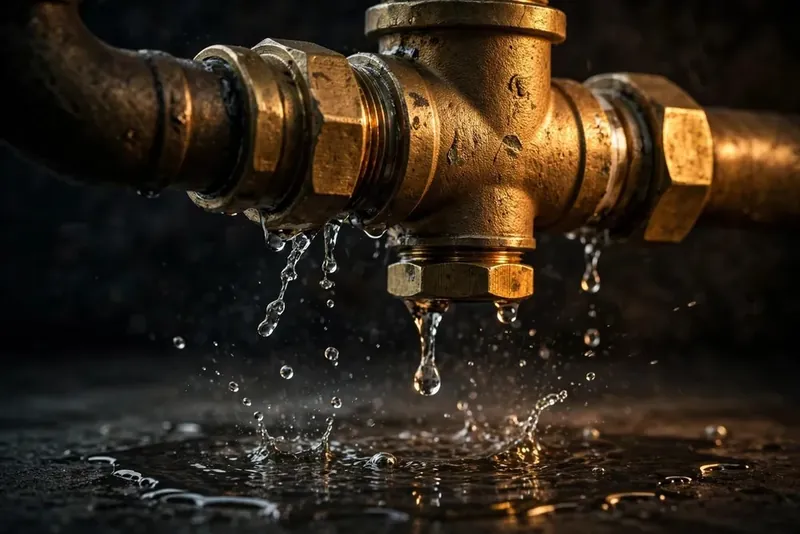
A gas leak is an emergency, not a repair to book. Learn the signs, what to do immediately, and what never to d
Hot water can scald in seconds. Learn the safe temperature setting, the risks for children and older people, a
Diagnosis and repair of tank, tankless, gas and electric units.
It can be. A valve that discharges heavily may mean the tank is overheating. If the tank is hot and hissing, turn the heater off and call a provider promptly.
Never. Capping the valve removes the tank’s safety protection and can be dangerous. Call a provider to replace the valve and find the cause.
Most manufacturers suggest lifting the test lever once or twice a year. If it does not open, or does not reseat, call a provider.
Call (480) 919-8156 and describe what your water heater is doing. Elite will connect your request with an available independent local provider — the provider handles diagnosis, pricing, scheduling and the work directly with you.